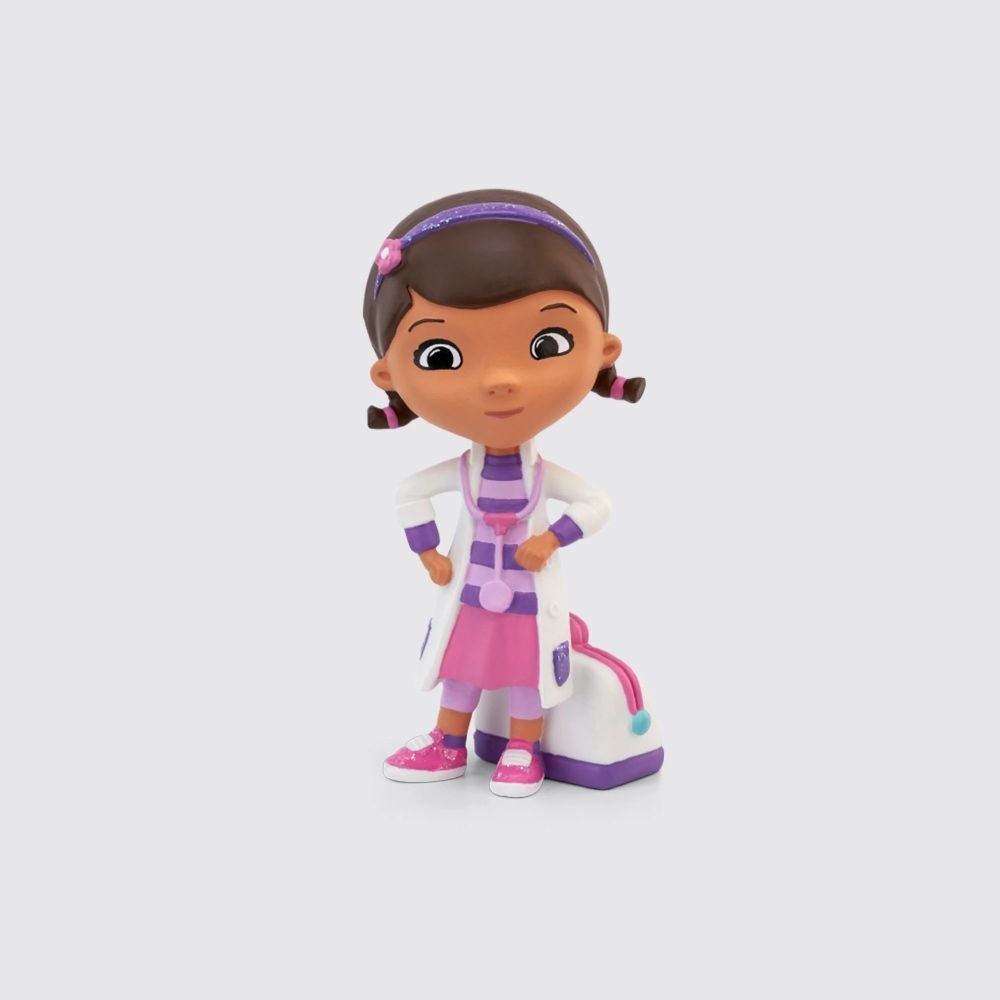
The Healing Touch of Play: Unpacking the Educational Value of Doc McStuffins Toys for Young Learners
For many parents, the world of children's toys can feel like a vibrant, overwhelming maze. Amidst the flashing lights and licensed characters, discerning which playthings truly contribute to a child's development is a constant quest. But what if a beloved character, known for mending toys and hearts, also offered a direct pathway to significant learning? The educational value of Doc McStuffins toys goes far beyond simple entertainment, offering a unique blend of imaginative play, emotional development, and critical thinking that profoundly impacts young minds.
From her backyard clinic to her toy hospital, Doc McStuffins teaches children about health, empathy, and problem-solving in a way that’s both engaging and reassuring. Her adventures transform potentially scary medical concepts into accessible, even exciting, lessons. When these narratives extend into the physical world through toys, children aren't just playing; they're actively reinforcing vital life skills and positive social behaviors.
At a Glance: Why Doc McStuffins Toys Are More Than Just Fun
- Fosters Empathy & Compassion: Teaches caring for others and understanding their feelings.
- Demystifies Health & Hygiene: Makes doctor visits less scary and promotes healthy habits.
- Boosts Problem-Solving Skills: Encourages critical thinking through diagnosing and "fixing" toys.
- Develops Fine Motor Skills: Manipulating toy instruments refines dexterity.
- Encourages Role-Playing: Enhances imagination, language, and social skills.
- Promotes Inclusivity: The show and toys feature a diverse cast, teaching acceptance.
- Builds Confidence: Children take on the role of a capable, caring doctor.
Beyond the Playroom: The Enduring Appeal of Doc McStuffins
Before diving into the toys themselves, it’s worth remembering the foundation. Disney Junior's Doc McStuffins debuted in 2012, quickly becoming a cultural phenomenon for its groundbreaking portrayal of a young Black girl who can "fix" her toys. But it's not just about diversity; it's about the universal themes of care, curiosity, and comfort. Doc doesn't just mend broken springs; she listens, empathizes, and educates. Her signature phrase, "The Doc is in," isn't just a catchy line; it signals a safe space for understanding and healing.
This empathetic approach extends to every aspect of her world, making her a trusted guide for children navigating their own feelings and fears, especially those related to health and doctors. When children interact with Doc McStuffins toys, they’re not just recreating scenes; they're internalizing these core values and practicing them in their own play.
The Healing Power of Play: Core Educational Themes in Doc McStuffins Toys
The magic of Doc McStuffins toys lies in their ability to translate the show's rich educational content into tangible play experiences. Each toy, whether a doctor's kit or a character plush, becomes a tool for exploring essential developmental areas.
Cultivating Empathy and Compassion
One of the most profound lessons from Doc McStuffins is the importance of empathy. Doc approaches every "patient" – whether a stuffy with a loose button or a toy car with a flat tire – with kindness, concern, and a genuine desire to help. When children engage with Doc McStuffins doctor's kits or character figures, they naturally step into this caregiver role.
They learn to ask, "What hurts?" or "How can I make you feel better?" This simple act of tending to a "sick" toy helps children understand the perspectives of others, fostering a sense of responsibility and compassion. It’s an early, gentle introduction to the idea that everyone, even a toy, deserves care and understanding.
Demystifying Health, Hygiene, and Medical Visits
Let's be honest: doctor's visits can be intimidating for young children. Needles, strange instruments, and unfamiliar settings can spark anxiety. Doc McStuffins directly addresses these fears by normalizing medical procedures and tools. Her "Big Book of Boo-Boos" provides explanations for ailments, and her calm demeanor makes every check-up a positive experience.
Doc McStuffins toys, particularly doctor's bags complete with stethoscopes, otoscopes, and pretend thermometers, allow children to familiarize themselves with these items in a non-threatening environment. Playing doctor helps them:
- Understand common check-up procedures: They mimic listening to heartbeats, checking ears, and taking temperatures.
- Learn basic hygiene: The show often touches on washing hands, brushing teeth, and eating healthy, which can be incorporated into play scenarios.
- Process medical experiences: Children can re-enact their own doctor visits, giving them a sense of control and helping them articulate any fears or questions. This can significantly reduce anxiety for future real-life appointments.
Building Problem-Solving and Critical Thinking Skills
At its heart, Doc McStuffins is a show about problem-solving. A toy is "broken," and Doc must use observation, diagnosis, and treatment to fix it. This narrative structure is perfectly replicated in toy form. When children play with a Doc McStuffins toy that has a "malfunction" (like a wobbly wheel or a missing accessory), they're prompted to think critically:
- Observation: "What's wrong with the toy?"
- Diagnosis: "Why is it acting this way?"
- Solution: "What tool do I need to fix it?" or "What's the right treatment?"
This process encourages logical reasoning and cause-and-effect thinking. For instance, a child might use a toy wrench for a loose bolt or a play bandage for a "scrape." These seemingly simple acts lay the groundwork for more complex problem-solving abilities later in life.
Nurturing Emotional Intelligence
Beyond physical ailments, Doc McStuffins often addresses emotional "boo-boos" – toys feeling shy, afraid, or sad. This focus on emotional well-being is crucial for children learning to identify and manage their own feelings. Doc McStuffins plush toys, especially those that "talk" or have interactive features, can serve as confidantes for children, allowing them to project their emotions onto the toy and practice expressing themselves.
Through these interactions, children learn:
- To recognize emotions: "Lambie feels sad," or "Stuffy is grumpy."
- To verbalize feelings: Practicing asking "How do you feel?"
- Coping strategies: Comforting a toy can teach self-soothing techniques and how to support others.
Promoting Diversity and Inclusion
The show's protagonist herself is a powerful statement on diversity, breaking stereotypes in medicine and leadership. The diverse cast of toys, both her "patients" and her assistants, further reinforces this message. Children see characters of different shapes, sizes, and backgrounds, fostering an early appreciation for inclusivity and acceptance. Playing with such a diverse toy set helps normalize differences and encourages children to embrace a broad spectrum of friendships and experiences.
Laying STEM Foundations (Science, Technology, Engineering, Math)
While not overtly a STEM show, Doc McStuffins subtly introduces foundational STEM concepts:
- Science: Observing symptoms, understanding the body (even a toy one), cause and effect.
- Technology: Using tools and instruments to achieve a goal.
- Engineering: Understanding how things are put together and how to fix them.
- Math: Counting "patients," measuring "medicine," sequencing steps in a check-up.
For example, a toy X-ray machine or an interactive "check-up" table can introduce children to basic principles of technology and diagnosis. These early exposures can spark curiosity and lay a positive foundation for future STEM learning.
Bringing the Clinic Home: How Different Toys Reinforce Learning
The variety of Doc McStuffins toys available allows for different types of play, each contributing to specific developmental areas. If you're looking to expand your child's collection or just starting, it's helpful to consider the play patterns each type supports. You can find a vast array of options when you Explore Doc McStuffins toys.
The Classic Doc McStuffins Doctor's Kit
These are arguably the quintessential Doc McStuffins toys. They typically include a stethoscope, otoscope, syringe, thermometer, and bandages.
- Role-Playing: Children embody Doc, mimicking her actions and dialogue. This is fantastic for imaginative play and developing social scripts.
- Fine Motor Skills: Manipulating the small instruments, opening and closing the bag, and applying bandages all require dexterity and hand-eye coordination.
- Language Development: Explaining diagnoses, asking questions, and giving instructions to their "patients" (other toys or parents) significantly boosts vocabulary and communication skills.
Interactive Doc McStuffins Figures and Plush Toys
Many Doc McStuffins figures come with interactive elements – they might talk, sing, or light up. Plush versions of Lambie, Stuffy, Hallie, and Chilly offer soft companionship.
- Emotional Connection: Plush toys provide comfort and a safe space for children to express feelings or practice nurturing behaviors.
- Cause and Effect: Interactive features introduce children to basic cause-and-effect relationships (e.g., pressing a button makes a sound).
- Storytelling: Children often weave elaborate narratives around their favorite characters, developing their imaginative and narrative skills.
Play Sets and Clinic Environments
Larger play sets, like a replica of Doc's clinic or the Toy Hospital, offer a comprehensive play experience.
- Structured Play: These sets provide a rich environment for imaginative scenarios, complete with multiple stations (reception, exam room, operating table).
- Organizational Skills: Children learn to organize their tools, keep the clinic tidy, and manage multiple "patients."
- Spatial Reasoning: Arranging the different elements of the play set helps with spatial awareness and understanding layouts.
Choosing the Right Tools for Little Healers: A Buyer's Guide
Navigating the world of Doc McStuffins toys can be exciting, but a few considerations will help you pick the best options for your child's development and safety.
- Age-Appropriateness: Always check the recommended age range on the packaging. Smaller pieces might pose choking hazards for toddlers, while overly complex sets might frustrate younger children.
- Safety Standards: Look for toys that meet safety certifications (e.g., ASTM, CE). Materials should be non-toxic, and construction sturdy.
- Durability: Children play hard! Opt for toys made from robust materials that can withstand enthusiastic play without breaking easily.
- Variety of Play: A good mix of open-ended toys (like a basic doctor's kit) and more structured play sets allows for both free-form creativity and guided learning.
- Authenticity to the Show: Toys that closely resemble the show's characters and tools can enhance the imaginative experience, making it easier for children to dive into the world of Doc McStuffins.
- Integration with Other Learning: Some brands, like LeapFrog, have produced Doc McStuffins-themed educational electronics that combine character appeal with structured learning activities. If you're looking for toys that blend character engagement with academic concepts, these can be an excellent choice.
Common Questions & Misconceptions About Educational Toys
Even with the best intentions, parents often have questions about the true value of "educational" toys. Let's clear up some common points.
"Are 'educational' toys always better than regular toys?"
Not necessarily. The term "educational" can sometimes be a marketing label. The true educational value comes from how a child interacts with the toy, not just what the label says. Doc McStuffins toys are genuinely educational because they inherently encourage imaginative role-play around themes of empathy, health, and problem-solving. A simple block set, while not branded "educational," offers immense value for creativity and spatial reasoning. The key is to look for toys that inspire engagement and active learning.
"Isn't all play educational?"
Yes, to a degree, all play offers some form of learning. However, toys with specific themes and structures, like Doc McStuffins doctor's kits, can direct play towards particular learning outcomes more explicitly. For example, open-ended play with random objects might develop creativity, but it might not specifically teach the names of medical instruments or the importance of a check-up, as Doc McStuffins toys do. They provide a scaffold for specific types of learning.
"What about screen time vs. toy time?"
Both can have their place. The Doc McStuffins show itself is educational, but the toys offer a different, crucial type of learning: hands-on, three-dimensional, and interactive without a screen. Toy play encourages fine motor skills, physical manipulation, and direct imaginative engagement that screen time often can't replicate. It's about balance, ensuring children have ample opportunities for both passive learning (watching the show) and active learning (playing with the toys).
Maximizing the "Doc McStuffins Effect": Tips for Parents
Having the right toys is only half the battle. How you engage with your child during playtime can amplify the educational impact of Doc McStuffins toys.
- Play Alongside Your Child: Join in! Be a "patient" for your child-doctor, or a helpful assistant. Your engagement models desired behaviors and makes play more enriching.
- Encourage Storytelling: Ask open-ended questions like, "What happened to Lambie?" or "How will Doc fix that?" This prompts children to develop narratives and verbalize their thoughts.
- Connect Play to Real-Life Situations: When a sibling has a small scrape, you might say, "Remember how Doc fixed Stuffy's boo-boo? We can do that too!" This helps children transfer learning from play to reality.
- Rotate Toys: Keep interest high by rotating toys in and out of play. This makes older toys feel new again and gives children opportunities to explore different facets of play.
- Talk About Emotions and Health: Use the themes from Doc McStuffins as starting points for conversations about feelings, healthy eating, or why we visit the doctor.
The Last Check-Up: Nurturing Healthy Habits and Hearts
The world of Doc McStuffins offers a vibrant blueprint for nurturing young minds and hearts. Through her compassionate care and unwavering curiosity, Doc teaches children that it's okay to have "boo-boos" – both physical and emotional – and that with a little empathy, problem-solving, and a friendly touch, most things can be fixed.
By bringing Doc McStuffins toys into your home, you're not just providing entertainment; you're equipping your child with tools for imaginative exploration, emotional intelligence, and a foundational understanding of health and kindness. These aren't just toys; they are companions in learning, helping children grow into compassionate, confident, and curious individuals, ready to face the world with a helping hand and a big, brave heart.